







Search Results for: Sidra Brewing
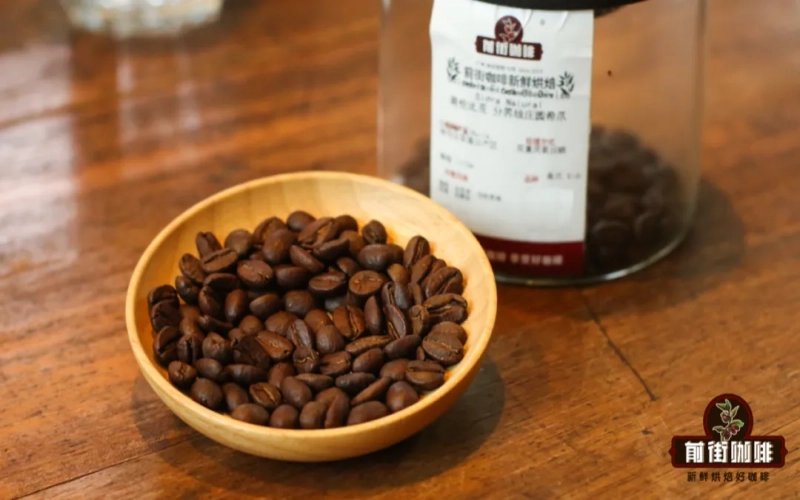
Why Can Sidra Coffee Beans Become Championship Beans? A Detailed Guide to Brewing Colombia Finca La Divisa Sidra
Sidra rose to fame after the 2022 World Coffee Championships and has become a highly anticipated variety in the specialty coffee world. It originated in Ecuador, and genetic identification shows it is closer to Ethiopian landraces, with a flavor profile known for rich fruitiness and floral notes. The Sidra in Front Street Coffee's bean lineup comes from Colombia's Finca El Diviso, uses anaerobic natural processing, and is the same coffee used by the 2022 World Coffee Championships champion. This article will review Sidra's varietal background and genetic research conclusions, and for this more deeply fermented bean, provide specific V60 three-pour brewing parameters and operational key points to help enthusiasts recreate at home the layered complexity of grapes, passion fruit, apricot, and floral notes. [more…]
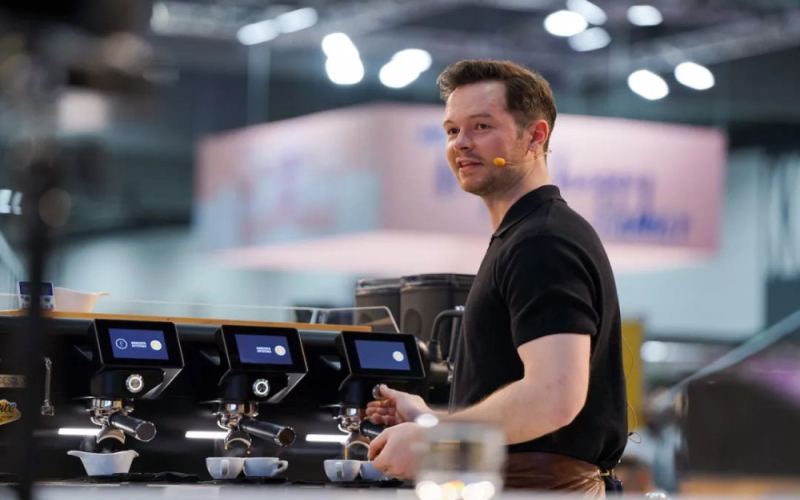
Sidra Coffee Variety Origin and Champion Bean Analysis: Colombia Finca El Diviso Flavor and Front Street Brewing Parameters
The rare variety Sidra came into the public eye thanks to its selection by two World Barista Championship winners. It originally comes from Pichincha Province, Ecuador, and genetic research shows it is related to Ethiopian native varieties. It is currently grown mainly in Ecuador and Colombia. The anaerobically fermented Sidra lot from Finca El Diviso in the Huila region of Colombia, selected by 2022 WBC champion Anthony Douglas, has further driven the estate and the variety's rising popularity. This article will sort out Sidra's origins, plant characteristics, and flavor profile, and introduce the Sidra coffee beans from Finca El Diviso brought in by Front Street Coffee, along with brewing suggestions, providing a complete reference for coffee lovers. [more…]

The Colombian Sidra Favored by WBC Champions: Variety Origins, Genetic Lineage, and Flavor & Brewing Analysis
In the past two years, a coffee variety called "Sidra" has rapidly risen to fame in the specialty coffee circle. Two WBC champions each won with Sidra lots from Colombia's Palma y El Tucán estate and Finca El Diviso, propelling this experimental variety—once relegated to the fields—onto the world stage. In Spanish, Sidra means apple juice or cider. It is generally considered a hybrid descendant of Typica and Red Bourbon, but WCR genetic identification shows it is closer to Ethiopian landraces, and its origins remain unclear to this day. In this article, Front Street Coffee will sort through Sidra's origin story, genetic research, plant characteristics, and flavor performance, and share a cupping experience and pour-over recommendations for Finca El Diviso's anaerobic natural Sidra, giving you a comprehensive understanding of this champion variety that combines floral aromatics with high-sweetness fruit notes. [more…]

Ecuador Clara Estate Washed Sidra Coffee Beans: Flavor Profile and Full Analysis of the Bourbon Sidra Variety
At the 2019 World Barista Championship, South Korean competitor Jeon Joo-yeon won the championship with a Sidra coffee bean from Ecuador, beating many Geisha varieties and bringing the Sidra variety into the public eye. In 2022, Anthony Douglas won again with Sidra, which further sparked the industry's curiosity about it. After investigation, Front Street Coffee found that Sidra is a variety developed by an Ecuadorian coffee research center in the 1990s by crossing Typica with local Red Bourbon, and due to its outstanding flavor, small-scale commercial cultivation gradually began. The Sidra Jeon Joo-yeon used that year came from Hacienda La Clara—a specialty coffee estate located on the Loja plateau and established in 2014. This article will introduce the varietal origins of Sidra, the terroir conditions of Hacienda La Clara, as well as the flavor performance of this washed Sidra and Front Street Coffee's brewing suggestions. [more…]
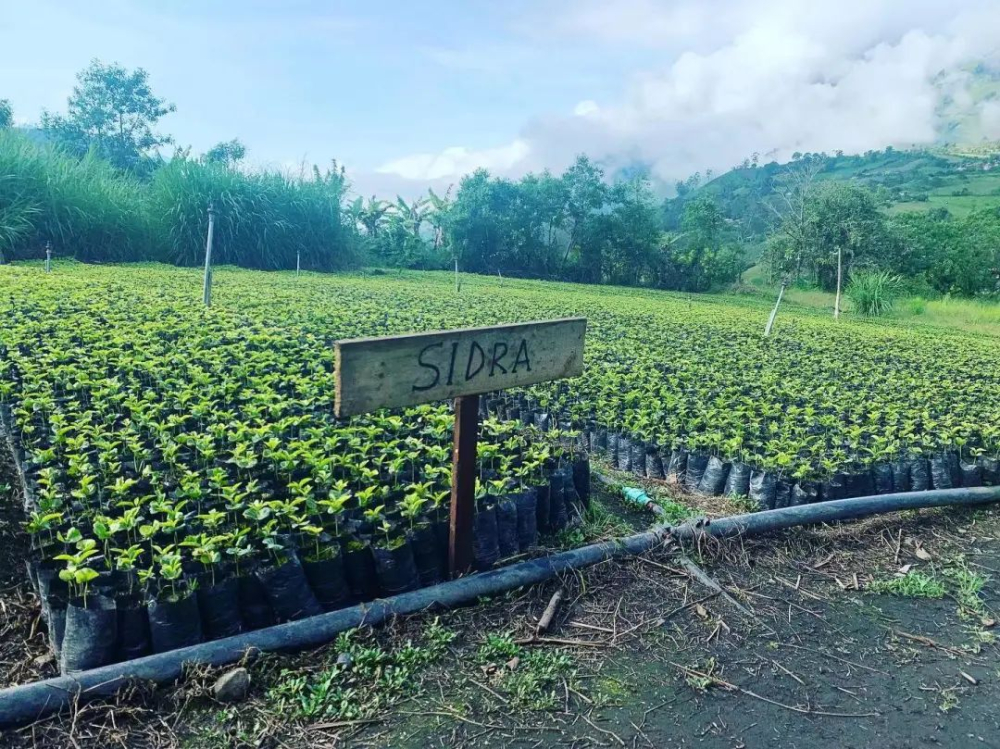
Colombian Sidra Coffee Beans | Flavor Characteristics of Anaerobic Fermentation Sun-Dried Sidra Coffee Beans and Introduction to the Sidra Coffee Variety
"Variety" is another consideration some friends use when selecting coffee beans, in addition to flavor and origin. Sidra, transliterated from "Sidra," also known as "Sydra" or "Bourbon Sidra." In Spanish, Sidra means "apple juice." [more…]
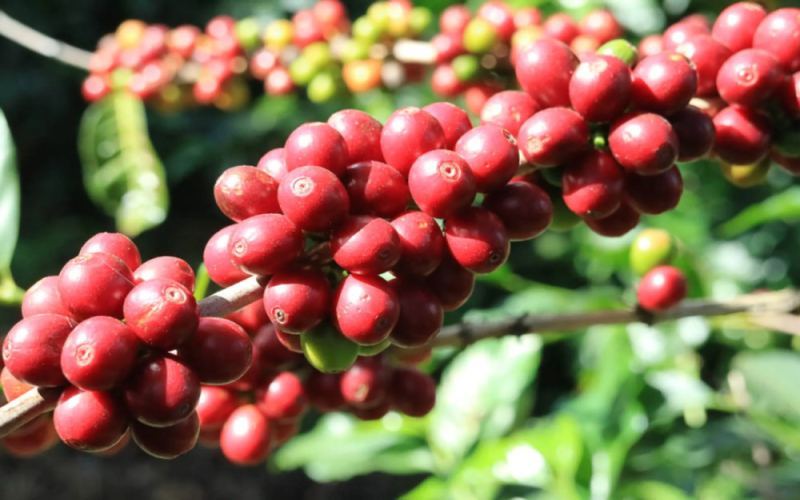
Exploring Sidra and Pacas: The Origins, Characteristics, and Current Cultivation Status of Two Distinctive Coffee Varieties
In the world of specialty coffee, beyond common varieties like Bourbon, Typica, and Caturra, some rare bean varieties are gradually coming into the public eye. Sidra and Pacas are two representatives that have attracted much attention. Sidra originated in Ecuador and rose to fame after winning the World Coffee Championship, and now performs brilliantly in Colombia's Huila region; Pacas is a natural mutation of Bourbon and is widely grown in El Salvador and Honduras. This article will introduce in detail the origins, genetic characteristics, growing conditions, and flavor profiles of these two varieties, and bring a brewing experience of the Sidra coffee beans from Colombia's Finca La Divisa obtained by Front Street Coffee. [more…]
Colombia Huila Region Finca La Divisa Sidra Coffee Bean Variety and Flavor Analysis
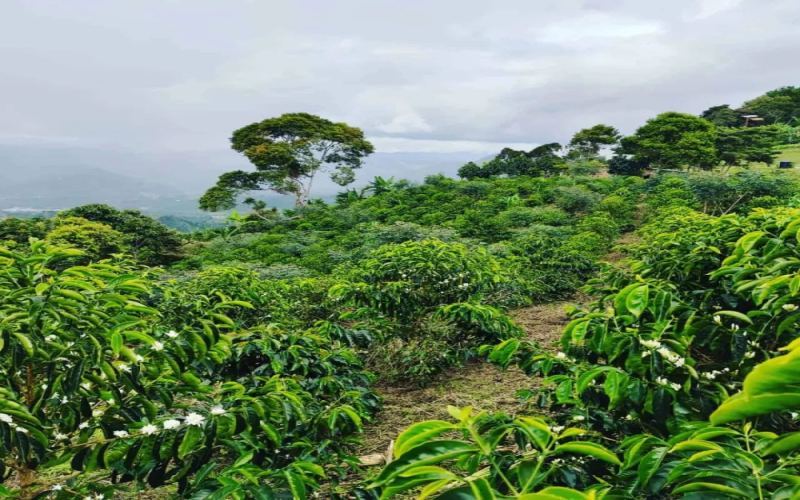
Colombia, as the world's third-largest coffee producer and the largest exporter of Arabica, has given rise to numerous specialty coffee regions thanks to the high altitudes, volcanic soils, and diverse microclimates of the Andes. Huila is one of the most representative specialty regions, and Finca El Diviso is located there. The estate rose to fame after the 2022 WBC champion chose its Sidra coffee beans. This article introduces Colombia's coffee-growing conditions, the terroir of the Huila region, the background of Finca El Diviso, and the origins, cultivation characteristics, and Front Street Coffee's brewing performance of the Sidra variety, giving you a comprehensive understanding of the appeal of this rare variety. [more…]
A Complete Guide to Colombian Sidra Coffee Beans: From Huila's Finca La Divisa to Fame via Two WBC Champions
The Sidra variety has risen to fame in the specialty coffee world in recent years, becoming a focal point after being chosen by two World Barista Championship winners. It originally came from Ecuador, developed by crossbreeding Typica and Red Bourbon, and genetic testing shows it has a genetic connection to Ethiopian landraces. It is currently mainly grown in Ecuador and Colombia, with Finca El Diviso in the Huila region of Colombia drawing much attention after Anthony Douglas's championship win. Front Street Coffee has also introduced this bean, using a double anaerobic washed process and a medium-light roast, presenting rich fruit flavors of apricot, citrus, and grape. This article will guide you through the origins of Sidra, the story of Finca El Diviso, the variety's characteristics, and Front Street's brewing recommendations. [more…]
A Complete Guide to the Varieties and Flavors of Colombia Huila Finca La Divisa Sidra Coffee Beans
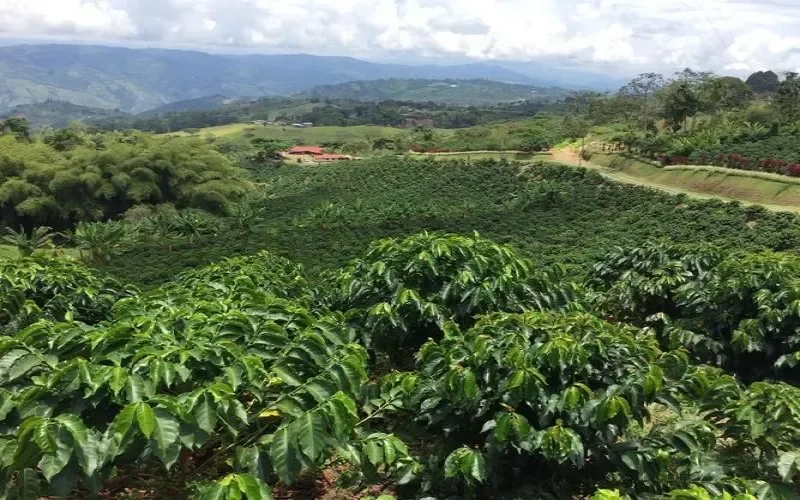
Colombia, with its high-altitude mountains, volcanic soil, and abundant rainfall, has become the world's third-largest coffee-producing country. Among its many regions, the southern Huila Department is known for its pure and gentle flavors, while Finca El Diviso has gained widespread fame after the 2022 WBC champion chose its Sidra coffee beans. This article will guide you through Colombia's coffee-growing conditions and the terroir characteristics of the Huila region, offer an in-depth look at Finca El Diviso's family background and the origins and botanical characteristics of the Sidra variety, and include complete brewing information and flavor notes for Front Street Coffee's double anaerobic natural Sidra. [more…]

The Development History of Colombian Coffee and Flavor Analysis of the Huila Region: From Historical Evolution to a Brewing Guide for the Sidra Variety
Colombia, as a major global producer of Arabica coffee, has seen its coffee industry undergo a unique journey from its introduction by missionaries to a transition toward smallholder models. This article begins with the historical context, tracing the origins of coffee cultivation in Colombia, the industry changes following the Thousand Days' War, and the background of the establishment of the FNC, while also providing an in-depth analysis of the terroir characteristics and flavor profile of the Huila region. It also introduces the Sidra variety on Front Street Coffee's bean list, detailing its varietal origins and brewing performance, and includes complete cold brew preparation steps, offering coffee enthusiasts a panoramic view from historical understanding to practical brewing. [more…]

A Complete Analysis of the Sidra Coffee Variety: From Its Ecuadorian Origins to Its Rise to Fame in Colombia
In recent years, Sidra has frequently taken top honors in world coffee competitions, becoming a hot variety in the specialty coffee scene. Many people assume it originated in Colombia, but its story actually begins at a Nestlé breeding center in Ecuador. This article will walk you through Sidra's botanical characteristics, origin history, genetic testing results, and why it has not been widely cultivated globally. At the same time, Front Street Coffee has selected Sidra beans from Finca La Divisa in Colombia's Huila region, delivering grape, passion fruit, and honey-like sweetness that is well worth trying. [more…]
A Complete Guide to Colombian Coffee Flavors and Regions: A Taste Exploration from Huila to Sidra
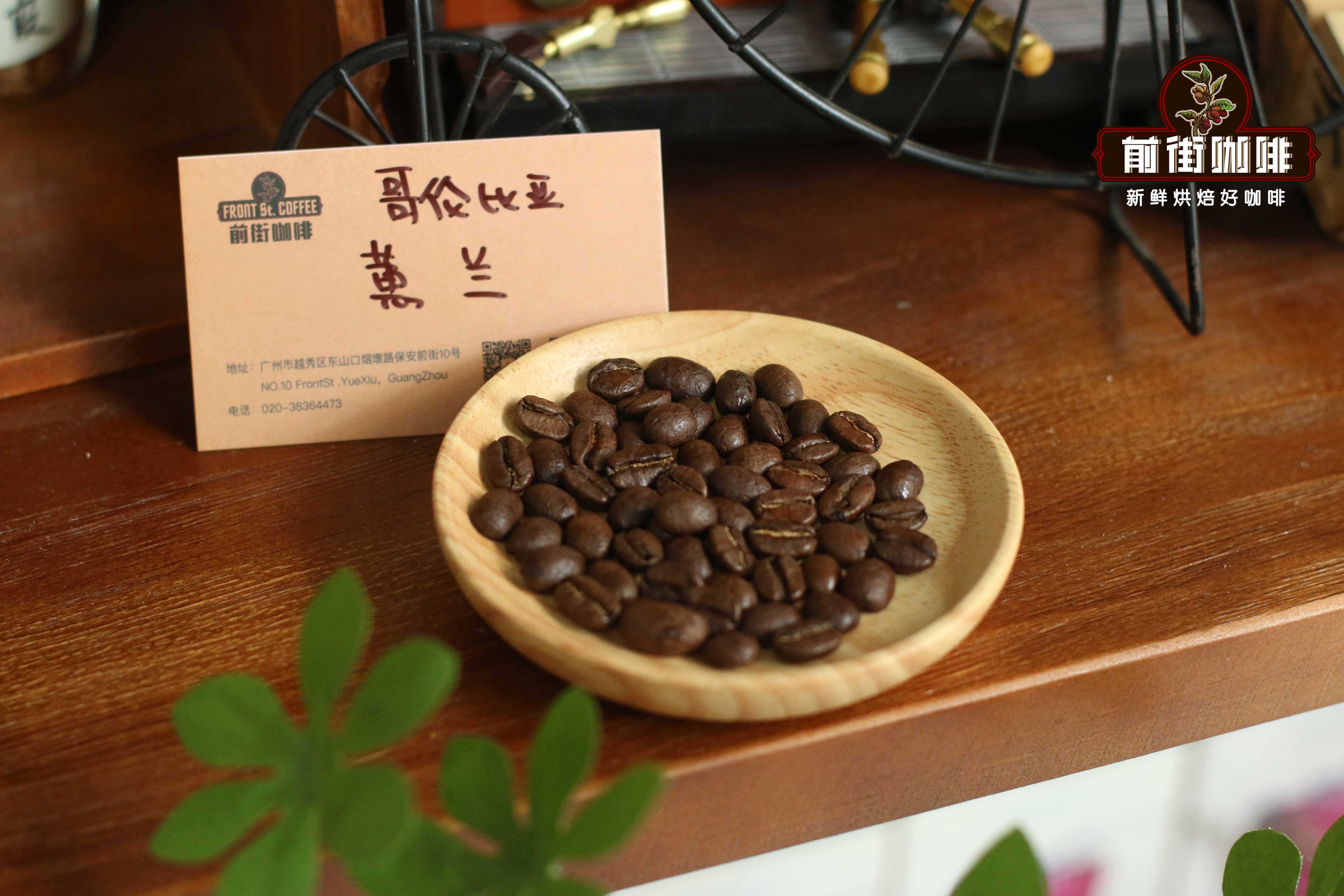
Colombian coffee occupies an important place in the global specialty coffee landscape with its soft, sweet, balanced, and elegant flavors. From the classic Huila washed beans to the special processing lots that have attracted much attention in recent years, such as Rose Summer Night, Rose Valley, and Sidra, Colombia continues to surprise coffee lovers. This article systematically reviews Colombia's growing environment, main producing regions, variety composition, and processing methods, and compares in detail the flavor differences among three coffees: Huila, Sidra, and Ombligon, supplemented by Front Street Coffee's brewing parameter suggestions, to help you gain a more comprehensive understanding of the unique charm of this major South American coffee country. [more…]
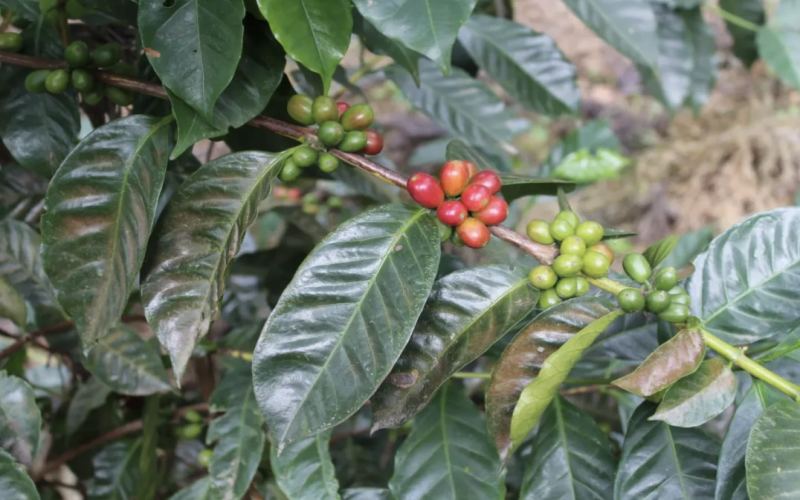
Some new coffee varieties: sidra, Eugenio Des, Wush Wush, and the variety introduction of Laurina.
Coffee can be divided into three major varieties: Arabica, Robusta, and Liberica. Currently, Arabica and Robusta are the most commonly used coffee tree species for commercial planting. With the development of the coffee industry, the coffee varieties [more…]

Flavor Characteristics and Key Operational Points of Flat-Bottom Dripper Coffee Brewing: From Structural Principles to Front Street Coffee's Practices with the Sidra Variety
Flat-bottom drippers have gradually drawn attention in the pour-over field in recent years. The extraction performance brought by their flat bottom and special flow-guiding structure differs noticeably from common conical drippers. This article starts with the background of the birth of the Kalita Wave, sorting out the design origins of flat-bottom drippers, the distribution characteristics of their flow-guiding ribs, and their influence on water flow paths, then compares them with the extraction logic of conical drippers such as the V60. After that, using Front Street Coffee's Colombia·Frontera Chiroso as an example, it shares a three-pour brewing recipe suited to flat-bottom drippers, recording the actual brewing time and tasting impressions to help coffee enthusiasts understand the unique aspects of flat-bottom drippers in flavor presentation. [more…]
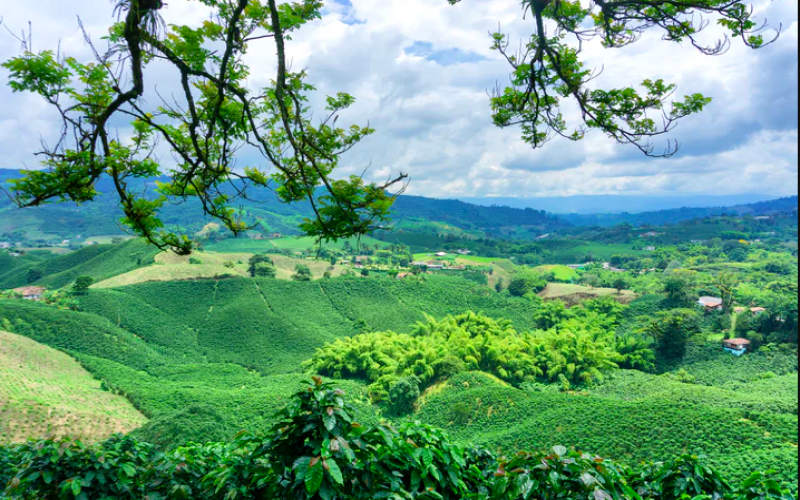
Origins of Coffee Cultivation in Colombia and Analysis of the Sidra Variety: From Historical Evolution to Front Street Coffee's Hand-Brewed Flavor
Colombia is the world's third-largest coffee-producing country and the largest processor of washed Arabica, with specialty-grade beans accounting for 40% of its exports. From Don Mariano's establishment of the first experimental plantation in the 19th century, to the founding of the National Federation of Coffee Growers in 1927, and then to the emergence of the Sidra variety from specialty estates on the international stage, Colombian coffee has walked a path of specialization supported by smallholder farmers. In this article, Front Street Coffee provides a comprehensive overview of Colombian coffee, from its historical context and producing regions to the characteristics of the Sidra variety and the cultivation story of Finca La Divisa, along with Front Street's pour-over parameters and flavor description for Sidra coffee beans. [more…]
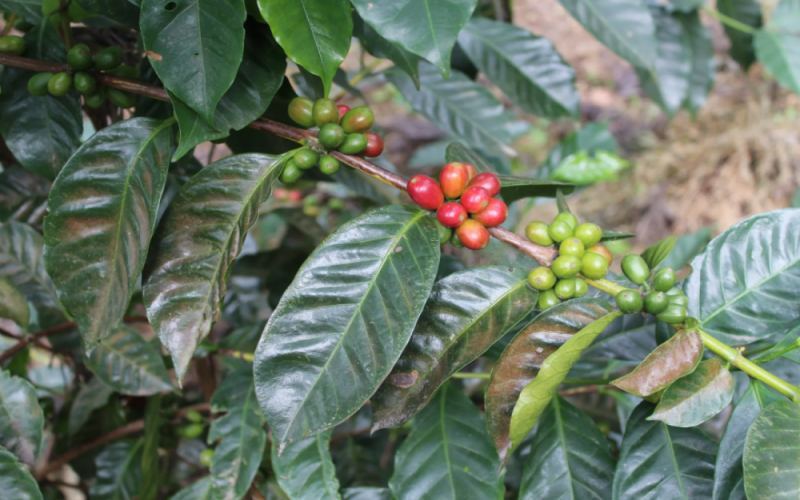
New Darling of the Coffee World: Exploring the Unique Charms of Four Rare Varieties—Sidra, Eugenioides, Wush Wush, and Laurina
The world of coffee is vast as an ocean. Beyond the varieties we know well, such as Bourbon, Typica, and Geisha, many rare varieties remain little known. These varieties have gradually come into public view, whether because of their unique flavors or their appearances in competitions. This article will introduce you to four rare coffee varieties: Eugenioides, Wush Wush, Sidra, and Laurina, covering their origins, characteristics, cultivation challenges, and performances in major competitions. Whether you are a coffee enthusiast or a professional in the industry, the stories behind these varieties are worth exploring. At the same time, we will also introduce the Colombia Sidra coffee beans brought to you by Front Street Coffee, so you can experience their unique flavor charm. [more…]
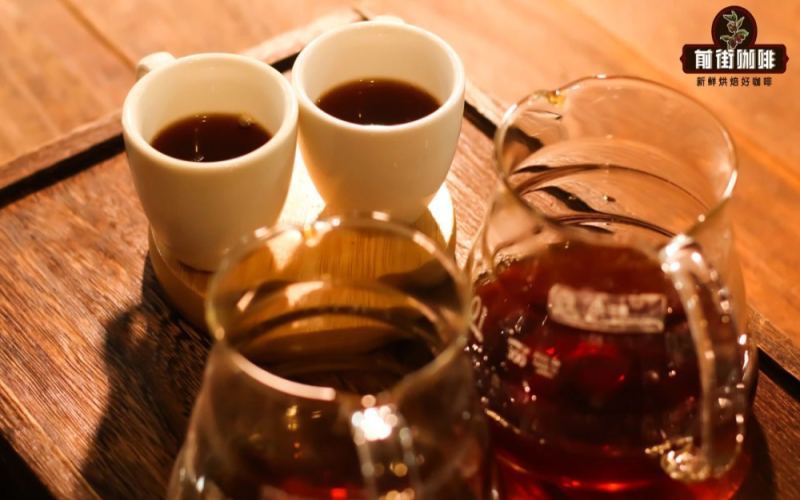
A Complete Guide to Brewing Colombian Coffee: Sidra Fruit-Forward Beans, Huila Region Flavors, and Pour-Over Parameters
Colombian coffee is renowned for its diverse styles, featuring both fresh and fragrant fruity notes and the classic expression of mellow balance with a chocolate-sweet finish. This wide-ranging flavor profile makes it unique in the global specialty coffee landscape. This article, from the perspective of Front Street Coffee, will examine how the volcanic soil regions of southern Colombia—Huila, Cauca, Nariño, and Tolima—nurture delicate acidity and berry sweetness through their high altitudes and equatorial advantages, and will highlight the flavor characteristics and roasting approaches of two beans sold by Front Street: Huila Washed and Sidra Double Anaerobic Natural. The article will then provide a complete breakdown of the pour-over process for medium-roast Colombian coffee, covering equipment preparation, grind size selection, coffee-to-water ratio, water temperature control, and the three-stage pouring rhythm, helping enthusiasts consistently recreate a fragrant cup of Colombian pour-over at home. [more…]
Brewing Highlights of Colombia Finca La Divisa Sidra Coffee Beans: An Analysis of Double Anaerobic Natural Extraction Techniques
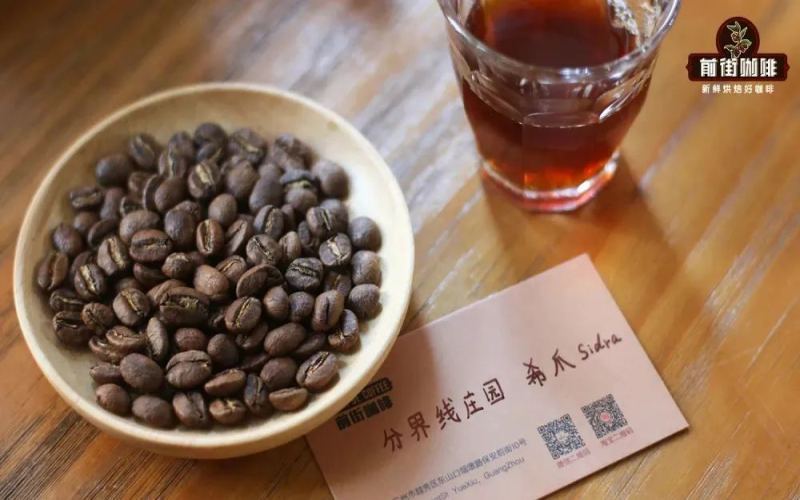
Front Street's Sidra coffee beans come from Finca El Diviso in Colombia, processed using the double anaerobic natural method, with intertwined flavors of grape, passion fruit, and apricot, and they have performed impressively in world competitions. However, many enthusiasts encounter a problem of bland taste and thin body when brewing, which is usually related to under-extraction. This article will focus on the characteristics of the double anaerobic natural process, analyze the reasons for the loose structure of Sidra beans, and explain step by step how to let this champion bean release a suitable and full-bodied flavor, from Front Street's grinding setting, water temperature, coffee-to-water ratio, to the three-stage pouring technique. [more…]

Temperature Variation Techniques in Coffee Brewing: Three Low-Temperature Water Methods to Unlock Geisha's Floral Aroma and Sidra's Fruity Notes
In recent years at the World Coffee Brewing Championship, competitors have frequently used low-temperature water for brewing, and even champion brewers have shared similar approaches. In fact, this isn't truly cold water, but a variable-temperature brewing method using water cooler than conventional hot water—extracting coffee in stages with multiple water temperatures to regulate the speed and amount of soluble compounds dissolving, thereby achieving the ideal flavor. This article shares three common and practical variable-temperature brewing methods: the bloom variable-temperature method, the final-stage variable-temperature method, and the immersion variable-temperature method. Using Panama Geisha and Finca La Frontera Sidra as examples, Front Street provides detailed parameters such as water temperature, grind size, and coffee-to-water ratio to help you easily try it at home. [more…]
Colombian Coffee Regions: Grades and Flavor Analysis — A Roasting and Brewing Guide from Huila to Sidra
Colombian coffee has long been known as "green gold," famous for its dark chocolate flavor and rich body. As the specialty coffee wave advances, this South American country reveals a more diverse profile. From north to south, 20 growing provinces are distributed on both sides of the Andes Mountains, and differences in terrain and climate create a diverse flavor map. Front Street Coffee selects beans such as Huila, Maragogipe, and Sidra, presenting fruity brightness and classic richness through different roast levels. This article will detail the regional characteristics, grading system, roasting key points, and V60 brewing parameters of Colombian coffee to help you gain a comprehensive understanding of this charming producing country. [more…]